

The Alchemy of Fire: Cozido das Furnas (São Miguel Island)
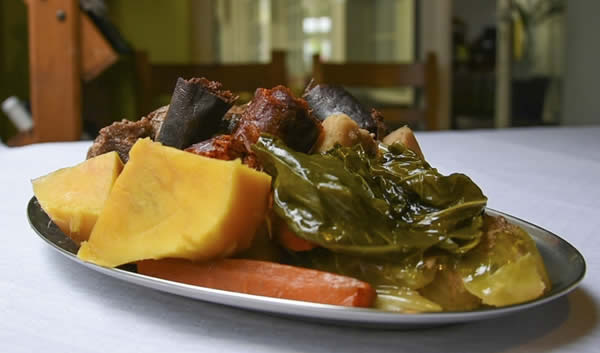
No gastronomic itinerary through the Azores can begin without mentioning Cozido das Furnas. On the island of São Miguel, active volcanism is not just a geological attraction; it is the community’s natural “stove.”
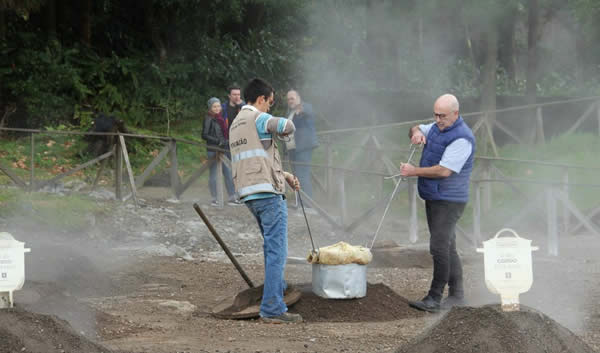
The ritual begins early at the Furnas Lake caldeiras. Large pots are filled with layers of beef, pork, chicken, traditional sausages (chorizo and the iconic cinnamon blood sausage), and vegetables. The pots are lowered into holes dug in the hot soil, where geothermal heat cooks the feast for 6 to 7 hours. The result is a unique mineral aroma that no electric or gas stove can replicate.
The Raw Atlantic: Limpets, Barnacles, and Deep-Sea Fish
The sea surrounding the Azores is deep, cold, and rich in oxygen, resulting in fish with firm textures and clean flavors.
Grilled Limpets (Lapas)
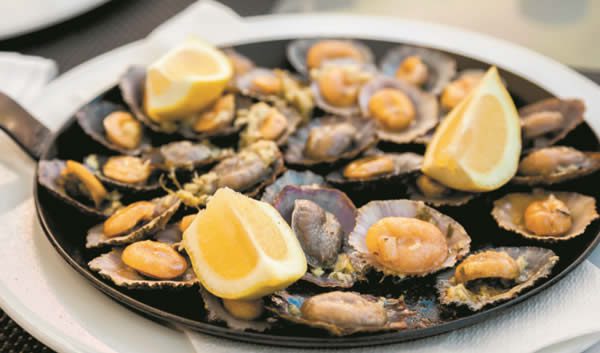
If the Azores had an anthem in the form of a snack, it would be lapas. These mollusks are served sizzling on a metal plate with a sauce of butter, garlic, and the indispensable pimenta da terra (local salted chili paste). A squeeze of fresh lemon makes the sea flavor explode in your mouth.
Cracas (Barnacles): A Challenge for the Senses
Cracas are perhaps the most exotic experience for a traveler. They look like pieces of volcanic rock. Using a small hook, you extract the meat from the limestone formation. The taste is an absolute concentration of seawater—like drinking the ocean from a small stone cup.
São Miguel Island Experiences
Explore São Miguel Island with our expert local guides.
Fresh Deep-Sea Fish
In local markets like Ponta Delgada or Angra do Heroísmo, deep-sea fish take center stage. Boca Negra (Blackbelly Rosefish), Imperador (Red Bream), and Cherne (Wreckfish) are kings. Simply grilled with sea salt, they exemplify the Azorean philosophy: when the product is perfect, intervention should be minimal.
The Heritage of “Happy Cows”: Meat and Cheese
It is said that in the Azores, there are more cows than people. The cattle live in free grazing year-round, which raises the quality of meat and dairy to standards rarely found elsewhere in Europe.
Bife à Regional (Regional Steak)
The São Miguel steak is an institution: a thick, succulent cut of local beef fried with garlic and olive oil, topped with local chili peppers and a fried egg. It is simple, yet tastes of fresh grass and freedom.
The Empire of São Jorge Cheese (DOP)
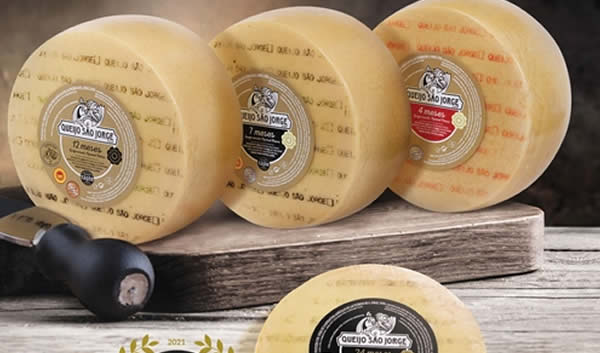
Produced on São Jorge Island, this is considered by many to be the best cheese in Portugal. São Jorge Cheese (DOP) is aged for at least 3 months, offering a spicy, persistent, and addictive flavor. It pairs perfectly with a fortified wine from Pico.
Conventual and Tropical Sweets
- São Miguel Pineapple: Grown in glass greenhouses using traditional “smoking” methods, this pineapple is smaller, sweeter, and far less acidic than tropical varieties.
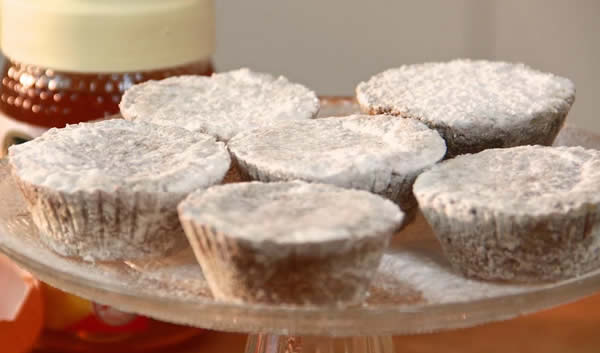
- Queijadas (Milk Tarts): Those from Vila Franca (São Miguel) are dense and egg-rich, while those from Graciosa are thin and star-shaped.
- Dona Amélia Cakes (Terceira): Created for Queen Amélia’s visit in 1901, these spicy cakes reflect the island’s history as a spice trade outpost.
Read Also:
• Whale Watching in São Miguel: Complete Guide
• Best Places to Visit in São Miguel Island
• Which Azores Islands to Visit: A Full Guide
Wine Born from Stone: Pico Island
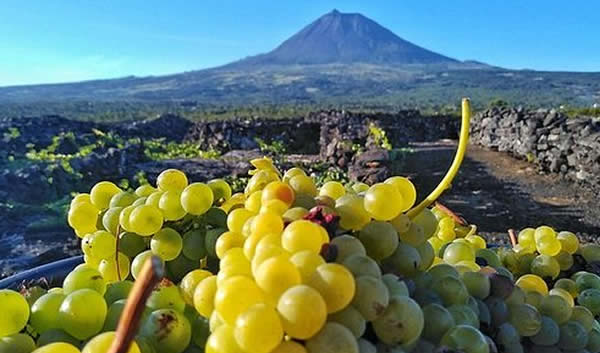
Azorean wine, specifically from Pico Island, is grown in “currais”—small squares of black volcanic stone walls that protect the vines from salt spray and wind. This UNESCO World Heritage site produces unique, salty, and mineral-forward white wines, particularly from the Verdelho grape.
Tea Time: Europe’s Only Tea Plantations
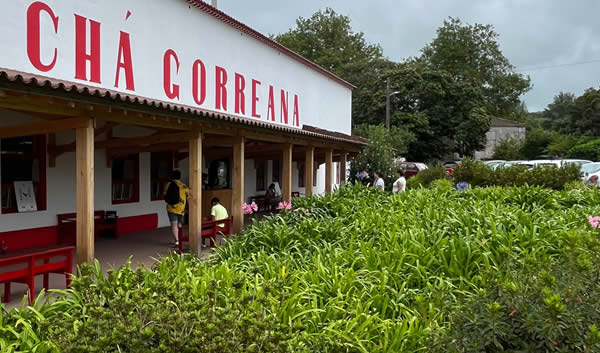
On the northern slopes of São Miguel, you will find Europe’s only industrial tea plantations: Gorreana and Porto Formoso. The tea is naturally organic and has a smooth, floral finish.
Conclusion: The Luxury of Azorean Simplicity
The gastronomic experience in the Azores is an antidote to the modern world of fast food. It is a cuisine that demands time: time for the stew to cook underground, time for the cattle to graze, and time for the traveler to sit and savor.
Eating in the Azores is an act of connection with the volcano’s heat, the sea’s salt, and the mountain’s freshness. It is proof that true luxury lies in the purity and origin of the ingredients.