

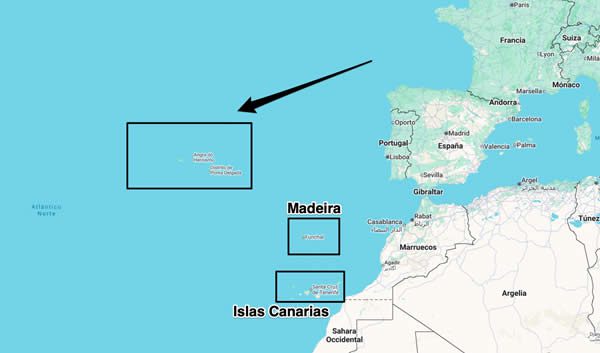
The Azores Archipelago: A Premier Atlantic Destination
Visiting the Azores is entering a world where nature sets the rules. In 2024, tourism in the region grew by 10%, reaching record overnight stays while maintaining a deep commitment to preservation. The archipelago is divided into three geographical groups:
- Eastern Group: São Miguel and Santa Maria.
- Central Group: Terceira, Graciosa, São Jorge, Pico, and Faial.
- Western Group: Flores and Corvo.
Each island has its own “color” and unique soul. Below, we detail the most important islands for tourism and what makes each of them unmissable.
1. São Miguel Island: The “Green Island”
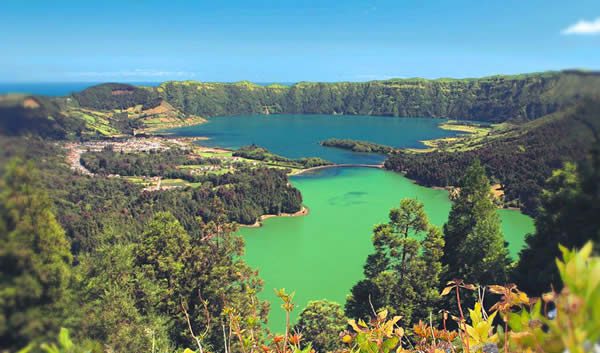
São Miguel remains the main gateway and the most versatile island. It is ideal for first-time visitors, offering robust infrastructure without losing its wild charm.
Must-Visit Places in São Miguel:
- Sete Cidades Lagoon: The most iconic postcard. The Vista do Rei viewpoint offers a panoramic view of the blue and green lagoons inside a giant crater.
- Fogo Lagoon (Lagoa do Fogo): Often considered the most beautiful, it is a pristine nature reserve accessible via stunning trails or viewpoints.
- Furnas Valley: A geothermal activity hub where you can taste the famous Cozido das Furnas (stew cooked underground) and relax in the Terra Nostra Park thermal waters.
- Gorreana Tea Plantations: Europe’s only industrial tea plantation, featuring a unique verdant scenery.
Top Experiences in São Miguel
Boat Tours in São Miguel »
São Miguel Guided Tours »
Hiking & Walking Trails »
2. Terceira Island: The Cultural and Geological Heart
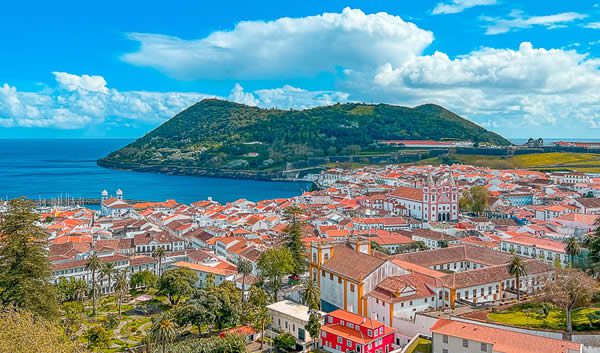
Terceira is the island of festivals and history. Its capital, Angra do Heroísmo, is a UNESCO World Heritage site and a delight for those who love colonial architecture and vibrant streets.
Unmissable Highlights:
- Algar do Carvão: One of the world’s rare opportunities to visit the interior of a real volcanic chimney.
- Serra do Cume: Offers a view of the “Patchwork Blanket,” an agricultural valley divided by volcanic stone walls.
- Gastronomy: Try the Alcatra de Carne, a traditional beef pot roast slow-cooked in clay pots.
3. Pico Island: The Mountain and UNESCO Vineyards
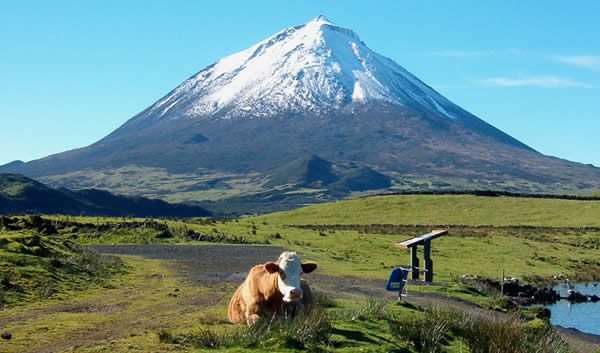
Pico is synonymous with adventure. Dominated by Mount Pico (Portugal’s highest point at 2,351 meters), the island offers a dramatic landscape of black lava and deep blue sea.
Why visit Pico in 2026?
- Mountain Hike: A physical challenge rewarded with a 360° view over the neighboring islands.
- Vineyard Culture: Vineyards protected by black stone walls (currais), a UNESCO World Heritage site.
- Whale Watching: Lajes do Pico is a world-class destination for observing whales and dolphins.
4. The Azores Triangle: Faial and São Jorge
Faial, Pico, and São Jorge form “The Triangle.” In 2026, frequent ferry connections make it easy to visit these three gems in a single trip.
Faial Island (The Blue Island)
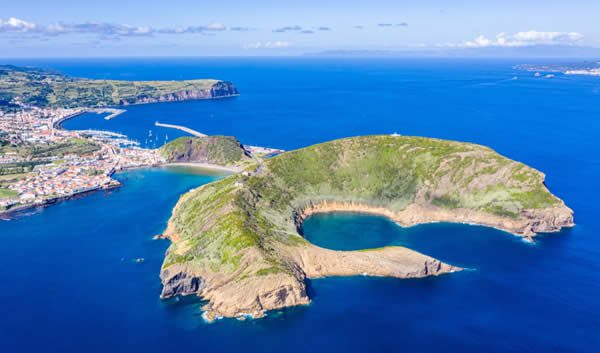
Famous for the Horta marina and the Capelinhos Volcano, a unique lunar landscape created by the 1957 eruption.
São Jorge Island (The Island of Fajãs)
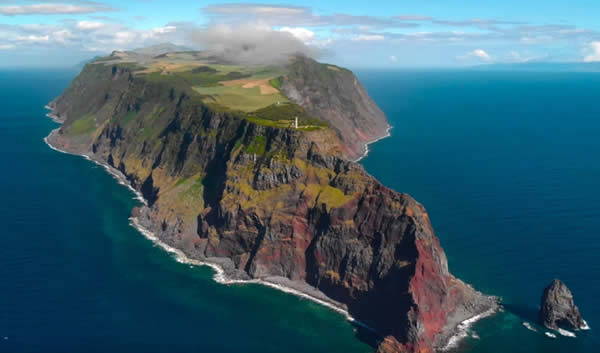
A hiker’s paradise, known for the Fajã da Caldeira de Santo Cristo and its famous cured artisanal cheese.
5. Flores Island: The Eden of the Atlantic
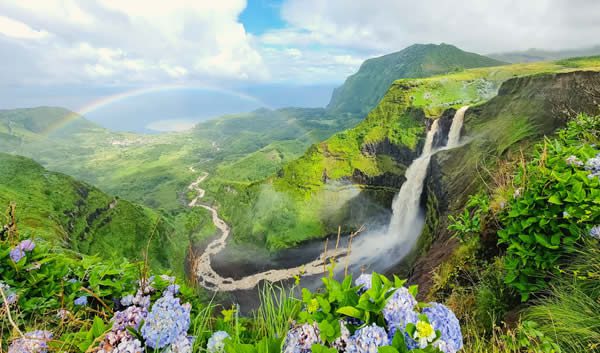
For those seeking nature in its purest form. Flores offers breathtaking scenery, such as Poço da Ribeira do Ferreiro and its infinite waterfalls.
Traveler’s Practical Guide
| Island | Traveler Profile | Culinary Highlight |
|---|---|---|
| São Miguel | Families & First-Timers | Cozido das Furnas |
| Pico | Adventure & Wine Lovers | Verdelho Wine |
| Terceira | Culture & History | Alcatra (Beef Stew) |
| Flores | Photography & Wild Nature | Watercress Patties |
When is the best time to visit the Azores?
Peak season is between June and September. However, for those seeking winter tourism, 2026 offers great opportunities to enjoy thermal springs without crowds and at more competitive prices.
Conclusion: Which Island is Right for You?
If you want infrastructure, choose São Miguel. For culture, Terceira. If you seek adventure and trekking, Pico and São Jorge are perfect. For a secluded retreat, Flores is your destination.